Research & Insights

The Case for Home Sharing. In Long Form.

We publish white papers and interactive research when there is something worth your time: a frame, a piece of evidence, or an argument that helps states, cities, and partner organizations see home sharing as essential aging infrastructure.

October 2026

Interactive Research · October 2026

Staying Home

The Financial Pressures That Move Older Homeowners, and How Home Sharing Can Help
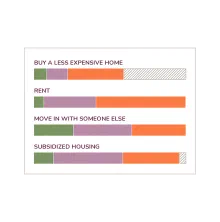
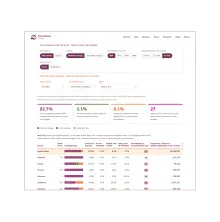
Stacked bars showing what a sale does for older homeowners who cannot cover their basic costs, on four paths

Financial pressure drives about 120,000 moves by older homeowners each year, and few of them are foreclosures. This interactive tool shows, for every state, who is at risk, what is driving the moves, where people go, whether selling brings lasting stability, and how many could stay by sharing a spare room.
The 50 states and D.C.

Interactive Research · October 2026

A Tradition Remembered

Home Sharing in America, 1880 to Today

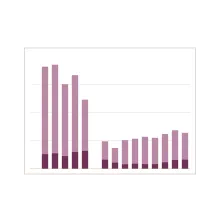
Stacked bar chart of home sharing in owner-occupied homes from 1880 to today, falling steeply through the twentieth century and rising again at the right

For most of American history, sharing a room in the home you owned was ordinary. Roughly one household in ten did it, and nobody thought it remarkable. Then it very nearly disappeared. This interactive series traces what happened, decade by decade and state by state, and shows where the line is turning back up: homes owned by older adults, which now hold a quarter of every home sharing arrangement in the country.

16 periods, 51 states

September 2026

Interactive Research · September 2026

The Affordable Housing Landscape

State by State: The Ceiling, the Window and the Floor

The state table, with each state's housing split into over the ceiling, in the window and under the floor

Everyone knows Affordable Housing has a limit on how much you can earn. Almost nobody counts what is left once the property also asks you to prove two to three times the rent. This is that arithmetic for all 2,623 income limit areas in the 50 states and D.C., grouped by state, with the household, the income, the affordability level and the income screen all in your hands.

2,623 income limit areas

Interactive Research · September 2026

Between the Ceiling and the Floor

Finding Where You Stand in Affordable Housing

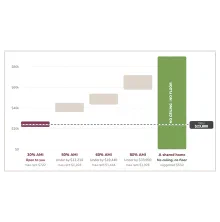
The locator, showing four income bands as short bars and a full-height column for a shared home

Everyone knows Affordable Housing has a limit on how much you can earn. Almost nobody knows the property will also ask you to prove a minimum, because rent in a rent-restricted home is set by a published table rather than by what the resident earns. Set your household and your income, see every level at once, and find out what to ask before you apply.

4,680 counties

Policy Brief · September 2026

Who Can Actually Rent It

Income Eligibility, Tenant Screening, and Who America's Affordable Housing Reaches

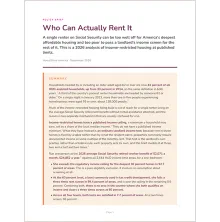
The first page of the brief, headed Who Can Actually Rent It

Older adults are the fastest growing group among people experiencing homelessness, and 42 percent of HUD-assisted households. So how much of the housing being built can they actually rent? We ran one person on the average Social Security benefit against every income limit area in the country. At the level most new affordable homes are built, the answer is none of them without assistance attached.

20 minute read

Policy Framework · September 2026

Housing Capacity Parity

Creating a Parallel Pathway for the Affordable Housing We Already Have

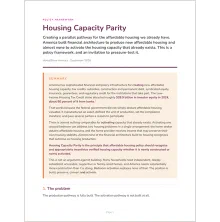
The first page of the framework, headed Housing Capacity Parity

America did not simply declare affordable housing valuable. It manufactured an asset, defined the unit of production, set the compliance standard, and gave several parties a reason to participate. None of that machinery exists for the bedroom that is already built, already heated and already standing. This framework sets out what would have to be true to change that, and invites others to pressure-test it.

12 minute read

August 2026

Interactive Research · August 2026

The Value of a Match

The Economics of Home Sharing, State by State

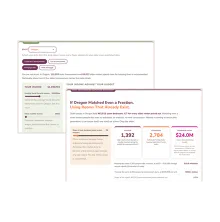
The two Value of a Match calculators side by side, showing state and household results

The rooms exist and the need exists. This piece answers the next question: what is connecting them worth? Four national figures size the opportunity, then two calculators put it in your own terms. The State Math prices what the older-adult housing shortfall costs a state and what home sharing keeps from being spent. Your Household Math shows what a match is worth inside one household's budget.

Two interactive calculators

July 2026

Interactive Research · July 2026

The Rooms Already Exist

America's Older-Adult Housing Gap, State by State

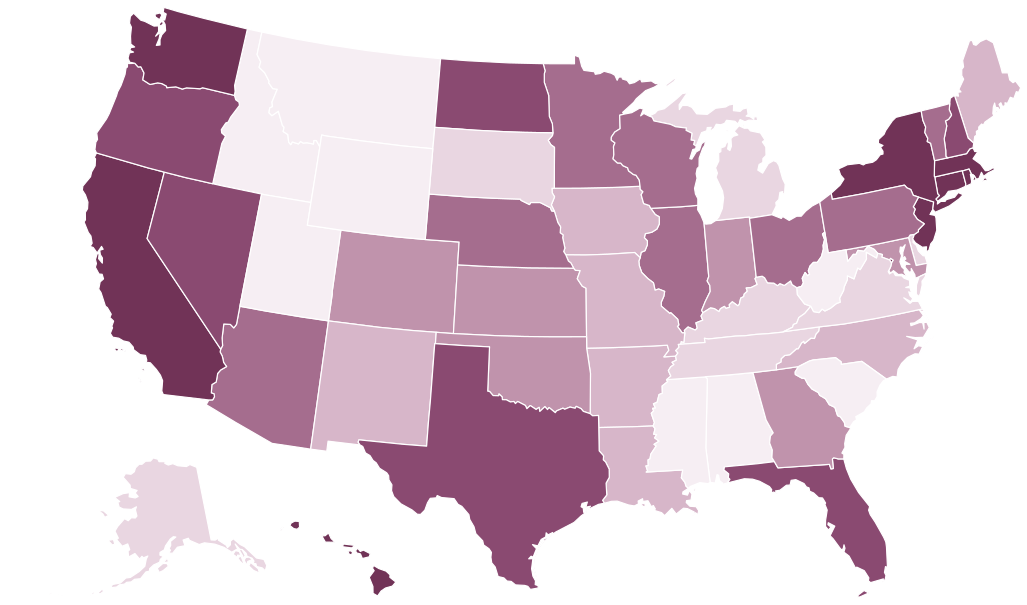
Map of the United States shaded by each state's older-adult housing gap

Every state in America has more spare bedrooms in homes owned by older adults than older renters who spend more for rent than is recommended. This interactive map puts a number on that gap for all 50 states and DC: the housing math, the cost burden on older renters and homeowners alike, and each state's aging-policy status. Hover over any state for a quick read, or click for the full picture.

The 50 states and D.C.

June 2026

White Paper · June 2026

Home Sharing: The Missing Link

Between Aging and Housing Policy

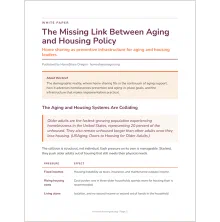
First page of the Missing Link white paper

Older adults are the fastest-growing population experiencing homelessness, and the forces pushing them out of stable housing stack faster than the aging system or the housing system can answer alone. This systems brief shows where home sharing fits as preventive infrastructure, how it advances USAging's Doors to Housing priorities, and how shared infrastructure finally makes it practical to implement.

9 minute read

May 2026

White Paper · May 2026

Before the Move

The Missing Middle of Aging Infrastructure

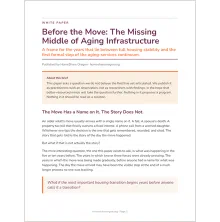
First page of the Before the Move white paper

An older adult's move usually arrives with a single name on it: a fall, a death, a tax bill. The truer story is the five to ten years before, when two or three forces were already compounding. This paper proposes a frame for the years that lie between full housing stability and the first formal step of the aging-services continuum, and argues that this is where home sharing belongs.

10 minute read