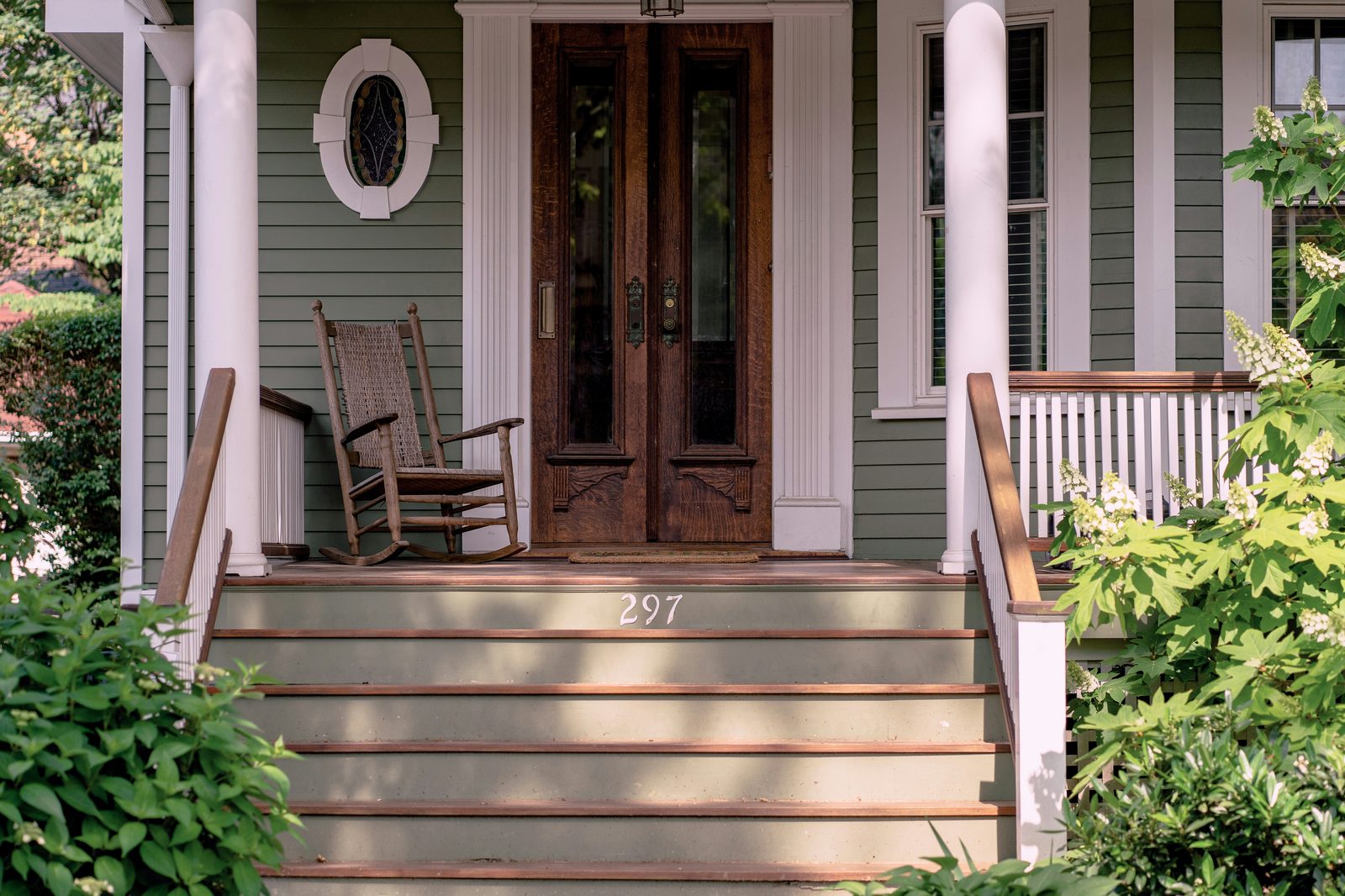
In home sharing, trust is not a soft variable. It is the determining factor. And the organizations that carry it are not national platforms. They are you.
Consider the decision a 72-year-old homeowner is actually making when she opens her home to another person. She is not making a booking decision. She is making a life decision: who will have a key to her door, who will know her schedule, who will be in her kitchen at 7 in the morning. The emotional and practical stakes are as high as any decision she has made in years.
No app or algorithm earns the kind of trust that makes someone ready to make that decision. Relationships earn it. And the organizations that have spent years building those relationships in a community already hold the most valuable asset in home sharing. The technology, the matching infrastructure, the program framework: those can be built. Trust, at that depth and at that scale, cannot be manufactured.
This is the insight at the heart of how home sharing works when it actually works.
Why the Commercial Platform Model Falls Short
Commercial home sharing and short-term rental platforms have demonstrated impressive scale. What they have not demonstrated is the ability to serve older adults who are making permanent or semi-permanent housing decisions with their safety, finances, and dignity on the line.
Commercial platforms optimize for transaction velocity. The faster a listing fills, the better the business performs. Screening exists to reduce obvious risk, but it is designed to filter out problems, not to engineer compatibility. The platform is not accountable for the quality of the relationship. It is accountable for the booking.
Home sharing with older adults is not a booking. It is a relationship that will unfold over months and years, in a shared home, between two people who did not know each other before they signed an agreement. The match has to be right. Not adequate. Right. And getting it right requires a process, and a level of human support, that no commercial platform has been designed to provide.
An older homeowner who is ready to consider home sharing will not take that step because an app told her to. She will take it because someone she already trusts helped her think it through. That person works at your organization.
The Two Things That Make Home Sharing Succeed
Years of experience in home sharing programs across the country point consistently to the same conclusion: successful programs combine two things that are equally essential and very different from each other.
Community Trust
Relationships with participants built over time. Existing credibility in the communities being served. Case managers who know their participants as people, not profiles.
Rigorous Process
Structured intake and compatibility assessment. Consistent matching methodology. Ongoing support and case management after move-in. Outcome tracking that funders and city partners require.
Technology Infrastructure
The operational platform that makes it possible to run all of the above at scale, without losing the human quality that makes home sharing work in the first place.
Most community organizations bring the first thing in abundance. The challenge is the second and third. Building rigorous process and technology infrastructure from scratch requires time, capital, and expertise that most mission-driven organizations simply do not have available to divert from direct service.
A Different Kind of Partnership
HomeShare Online was built to solve exactly that problem. It provides the technology infrastructure that turns a community organization's existing trust and relationships into a credible, scalable home sharing program. Structured intake. Compatibility matching tools. Case management support. Data and reporting that satisfies the accountability requirements of funders and city partners.
The partnership model is built on a clear division of labor. HomeShare Online provides the infrastructure. Partner organizations provide the human layer: the relationships, the case management, the community knowledge that makes a program real to the people it serves.
This means that a housing nonprofit, an Area Agency on Aging, a faith community, or a culturally specific older adult services organization can offer a fully operational home sharing program without building technology from scratch or hiring staff for a program still finding its footing. The platform is ready. The model is proven. What changes when you add your community relationships to it is the reach.
The Sector Is Looking for Organizations Ready to Lead
Home sharing is not a niche housing program anymore. Cities are naming Qualified Home Sharing Providers. Grantmakers in Aging has identified housing stability as a central sector priority, with explicit emphasis on scaling collaborations and bringing proven models to new localities. LeadingAge and peer organizations in the aging sector are documenting the evidence base for community-based, intergenerational housing models.
The conversation is moving. The organizations positioned to lead it are the ones that combine community trust with the infrastructure to deliver consistent, documented outcomes. The trust you have built is irreplaceable. The infrastructure is now available to you.
Home sharing belongs in your community. And you are exactly the right organization to bring it there.