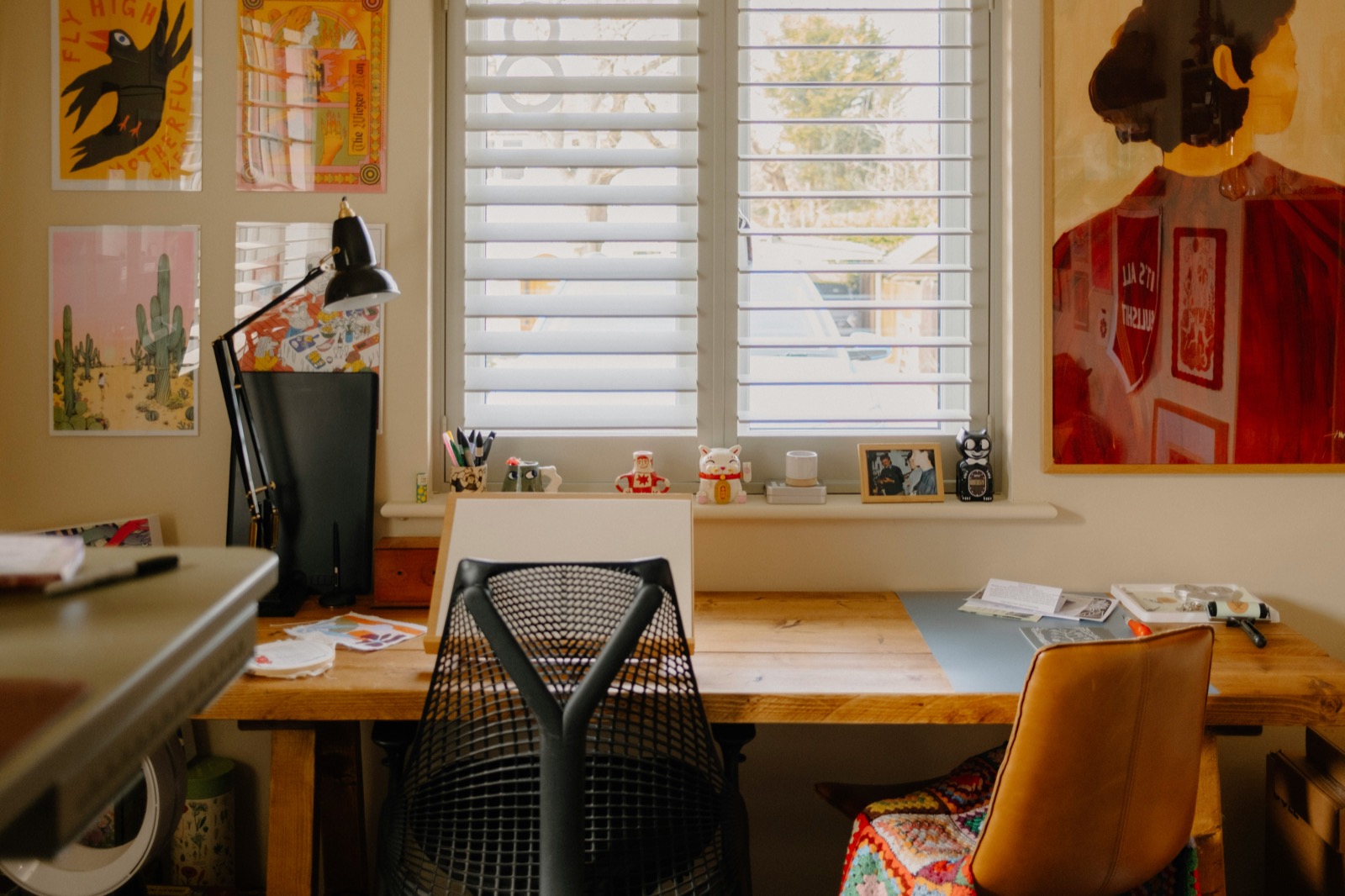
It started as the guest room. Then it became the room where boxes go. Then it became something you walk past without thinking about anymore, a door you don't open because there's nothing in there that needs you. You're not alone in this. Across the United States, 44 million homes have a spare bedroom sitting unused. That's not a small number. That's a policy problem hiding in plain sight, and the solution is already inside your house.
The Room You Stopped Thinking About
There's a particular kind of inertia that takes over a spare room. When the kids moved out, or the person who shared the home left, or the parent who used to visit got too frail to travel, the room absorbed whatever didn't have a home elsewhere. The treadmill. The holiday decorations. The books you're going to get to eventually. And gradually the room stopped being a room and became background noise.
That's understandable. But it's also worth naming what that room actually is, stripped of the clutter: square footage in a livable home, available right now, at a moment when people are being priced out of housing at a pace that would have been unimaginable a decade ago. The average person seeking shared housing through HomeShare Online saves $700 a month compared to renting at market rate. Seven hundred dollars. For someone on a fixed income or a service worker or a graduate student, that's the difference between staying in the community they know and leaving it.
Your spare room, cleared out and offered thoughtfully, is the most direct affordable housing intervention available. No construction required. No policy change required. No grant application required. Just a door that opens.
What the Homeowner Actually Gets
Let's be honest about why more homeowners don't do this already. The concerns are real. Strangers. Privacy. Conflict. The sense that you'd be giving something up and you're not sure what you'd get in return.
Here's what you actually get.
Income, first. Supplemental rental income from a home sharer isn't a windfall, but it's steady and meaningful. For a homeowner on Social Security or a fixed pension, extra income each month can mean the difference between staying in your home long-term and being forced to make harder choices later. The financial breathing room to stay where you are, in the neighborhood you know, close to the people and places that matter to you. That's not a small thing.
But the number that tends to surprise people is this one: 96% of home sharers report feeling less lonely after moving in together. Not slightly less lonely. Measurably, reportably less. There is someone in the house. There is a person to say good morning to, to notice if you're under the weather, to be present in the quiet ways that matter more than most people admit. Isolation among older adults is one of the most serious and under-discussed health risks of our time. Sharing your home doesn't fix everything, but a peer in the house changes the texture of a day in ways that are hard to overstate.
Many home-sharing arrangements also include informal help around the house, not a caretaking arrangement, but the ordinary reciprocity of two people sharing a space. Help with groceries. Yard work. Someone who notices when the mail piles up. These arrangements work best when they're chosen freely and built on mutual respect, not obligation, and that's exactly what a good match makes possible.
What the Platform Does, So You Don't Have To
The part that stops most people from trying this is the part they imagine they'd have to manage themselves: finding someone trustworthy, vetting them, figuring out the legal side, navigating what happens if it doesn't work out. That's a lot to take on alone. It's also not what you're being asked to do.
HomeShare Online handles identity verification and background checks on both sides. You are screened. Your potential match is screened. The platform runs compatibility matching based on lifestyle, schedule, and preferences. Secure messaging happens through the platform so you can get a feel for someone before you ever meet them in person. When you're ready to move forward, a lease template is provided, so the arrangement has clear terms from the start.
More than 85,000 people have joined the platform. The track record holds up: 80% of matches are still stably housed together at the six-month mark. That's not accidental. It's the result of a matching process that takes compatibility seriously, and a community of people who came to this with real intention.
The cost to join is $125 per participant, with $50 refunded when you make a match. The investment is modest. The upside is ongoing.
Two Problems, One Room
This is the part worth sitting with for a moment. The housing crisis feels enormous and structural and far away from anything one person can do. But home sharing is one of the rare places where individual action and systemic impact land in the same place at the same time.
When you open your spare room, you are directly addressing someone's housing crisis. Not abstractly. Specifically. One person, one room, one situation that was unsustainable and is now stable. And at the same time, you are solving something in your own life: the quiet financial pressure, the empty house, the awareness that the current setup isn't quite working the way you'd hoped.
One room. Two outcomes. Not a program to navigate or a bureaucracy to deal with. Two adults who chose each other, with the help of a platform that did the safety work so they didn't have to.
The spare room has been waiting. It doesn't have to wait much longer.