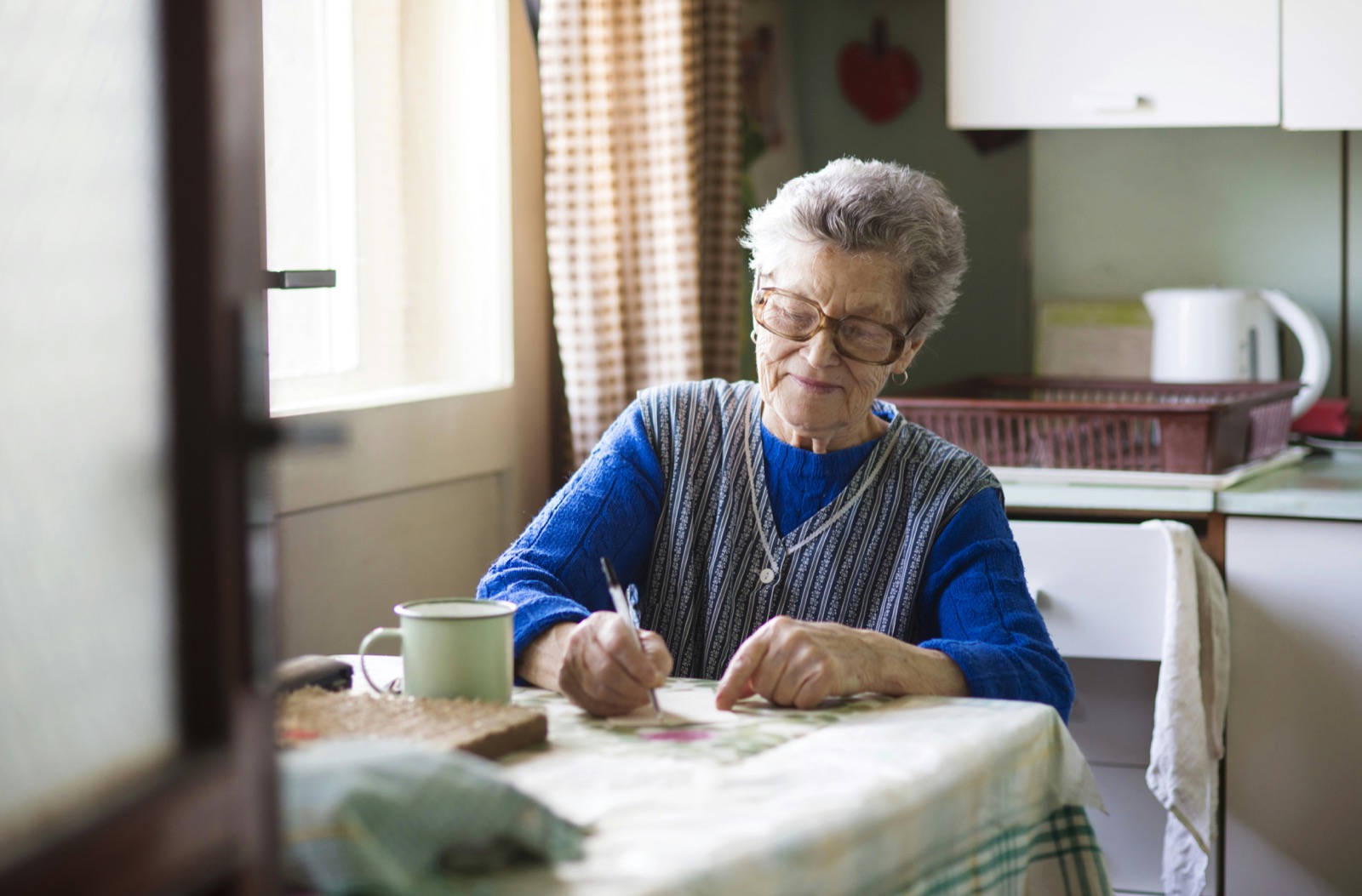
She has been doing the math again. Property taxes went up. The grocery bill went up. The heating bill went up. And somewhere in the back of her mind, a quiet, uncomfortable question has started to surface: how many more years can she actually afford to stay here?
The house is the same house it has always been. The garden still blooms in the spring. The kitchen still smells like coffee in the morning. But the spare bedroom down the hall has been empty for two years now, and the silence has started to feel less like peace and more like a problem. She has not said this out loud to anyone. But she has started to notice the listings.
This is where a lot of people find themselves. Not in crisis. Not on anyone's radar. Just quietly calculating.
The Options She Has Been Told About
When people start to feel the pressure, the options they hear about tend to go in one direction: out. Sell the house. Downsize to an apartment. Get on the assisted living waitlist. Move closer to family. These are presented as the responsible choices, the forward-thinking moves, the things a practical person does when the math stops working.
But 75 percent of Americans 65 and older say they want to stay in their current home as they age. Not most of them. Three out of four. And yet about half will experience at least one significant housing transition in their final fifteen years, and around 11 million of those moves will be driven by affordability or isolation, not by any medical need. People are leaving homes they love because no one handed them another option.
She does not want to leave. She just does not know what else to do with a house that costs more than it used to and a room that sits empty while the bills pile up.
The Room Down the Hall Is the Answer
Here is what home sharing actually is: a homeowner with a spare bedroom opens that room to a home seeker, typically another older adult, in exchange for reduced rent, help around the house, or some combination of both. The homeowner stays. The home seeker gets affordable housing. Two people, one solution.
In Oregon alone, there are 462,811 spare bedrooms in homes owned by older adults. At the same time, there are 69,612 cost-burdened older renters in the state, people spending more than 30 percent of their income just to keep a roof over their heads. These two groups are not strangers to each other. They live in the same neighborhoods, shop at the same stores, sit in the same waiting rooms. They just have not been introduced yet.
Home seekers who find a match through home sharing save an average of $700 a month compared to market rent. For a retired teacher on a fixed income, or a grandmother whose Social Security does not stretch far enough, that difference is not a convenience. It is stability. It is the difference between staying housed and not.
And for the homeowner, sharing a home can mean the property tax bill is manageable again. The utilities are split. Someone is there to help carry in the groceries or notice if something goes wrong. The house that had started to feel like a burden starts to feel like what it always was: home.
The Part Nobody Talks About Enough
The financial piece matters. But it is not the whole story.
Ninety-six percent of home sharers report feeling less lonely after making a match. That is not a small number. That is nearly everyone. The shared meals, the easy conversation in the kitchen, the simple fact of having someone in the house again, it changes something that is hard to name but impossible to miss.
Isolation is one of the most serious health risks facing older adults. It is linked to cognitive decline, depression, and a shorter lifespan. And it is quietly widespread in a way that does not always show up in statistics because people tend not to report it. They just live with it. A shared home does not fix everything, but it restores something essential: the daily presence of another person who knows your name and notices when you are not yourself.
Eighty percent of home sharing matches are still stably housed at the six-month mark. These are not temporary arrangements that collapse under the weight of proximity. They are sustainable, chosen relationships that hold.
This Is Not Charity. It Is Not a Transaction Either.
The framing matters here. Home sharing is not a homeowner doing someone a favor. It is not a renter settling for less. It is two people who happen to need exactly what the other one has, choosing to solve their problems together.
The woman with the empty room is not offering charity. She is offering a home, a real one, with a kitchen and a yard and a neighborhood she has known for decades. The person who moves in is not a burden. She is a neighbor, a presence, someone who brings her own life into the house and makes it feel inhabited again.
That is the peer dimension of home sharing that gets lost when people think of it only as a housing program. It is not a program you enroll in and wait to be helped. It is a relationship you choose, on your own terms, with someone who is choosing you back.
She Does Not Have to Move
The house she has lived in for thirty years does not have to become a listing. The room down the hall does not have to stay empty. The math that has been keeping her up at night might have an answer she has not considered yet, one that does not require her to pack anything up or say goodbye to a single thing she loves.
Home sharing keeps two people housed at once. The homeowner who wants to stay, and the neighbor who needs somewhere to go. The solution was down the hall the whole time.